

Scooter Green Power
Scooters provide an enjoyable and secure way to travel. They're also environmentally sustainable. But, it's essential to research the product prior to purchasing one.
While they are carbon-free scooters come with hidden costs. The mining and production processes used to produce the batteries to power electric scooters create significant amounts of carbon dioxide. Shipping scooters from where they are used to charging stations is also a contributor to their environmental footprint.
Battery Life
The battery is among the main components in any scooter, and it can have a big impact on how green your scooter really is. When a battery dies, it releases toxic chemicals that can have a huge ecological and economic impact.
Electric scooters are extremely energy efficient. They consume a only a fraction of the energy used by cars to travel the same distance. This can help reduce the amount of pollution in the air and climate change as well as traffic congestion. However, they still produce a small amount of carbon dioxide when charging. If this is from renewable sources, it could make the e scooter even more sustainable.
Additionally, many scooters have swappable batteries that can be used with other scooters in a fleet, reducing the need for companies to transport them for recharging. Certain companies are also working with hyper local energy production, enabling the grid to utilize the power stored in the batteries to balance supply and demand.
If you plan to utilize your scooter for longer trips you should consider buying a larger capacity battery, or a spare battery that can be swapped. This will let you go further without stopping to recharge the battery every so often. This is crucial if you are in an area that is subject to harsh weather conditions. It is also an excellent idea to charge the battery before storing it for weeks or months at one time. If you don't it could be difficult for the battery to keep a charge until it is needed again. This can be both uncomfortable and dangerous.
In general, electric scooters are much greener than other forms of transport. They create fewer greenhouse gases that contribute to global warming, and they require less raw materials to make. They can be powered by clean energy, which reduces their carbon footprint. When considering the sustainability of a scooter it is crucial to take into account the entire life-cycle of the scooter. This includes the process of manufacturing, the energy required to charge it and its disposal.
Design
The design of electric scooters could influence their green power ratings. For example, scooters with regenerative braking systems can convert some of the energy that would otherwise go to waste into additional battery life, so they can travel further on each charge. Many scooters can be designed to travel shorter distances, which can reduce the number of vehicle trips required. And, unlike traditional vehicles, scooters emit no carbon dioxide during use.
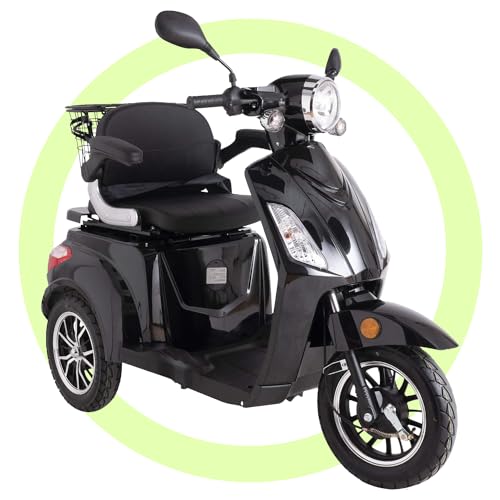
It is nevertheless important to consider the environmental impacts of the entire lifecycle electric scooters. This includes the extraction of raw materials, manufacturing and disposal at the end of its life. The production of lithium-ion batteries is especially energy intensive, and can lead to destruction of habitats as well as water and soil pollution and greenhouse gas emissions. In addition, transportation and mining of raw materials could have a significant impact on the environment.
The inability to last is another major issue with scooters. The average scooter will last only several months on the streets before it is taken off the road. This could mean that scooter companies have to mine more aluminum and engage in more shipping and other resource-intensive activities. Since about his are rented rather than owned by the owner, they need to be collected, and transported (often in vehicles) to recharging station when their batteries have run out.
At the time of end of life, scooters could contain hazardous waste that could be harmful to the health of the public and the environment. If not recycled properly the waste could end in rivers or landfills which could be a danger to people and wildlife.
Although scooters are generally more beneficial for the environment than traditional vehicles, there are some issues that must be addressed to make them eco-friendly. If all scooters were made of 100% recyclable materials and the power source that drives them is derived from renewable sources, they would be a carbon-free mode of transportation.
Maintenance
The price of an electric scooter is lower than that of the typical vehicle. However, it still needs routine maintenance. The primary component is the battery pack. It needs to be charged regularly and replaced at the expiration date. The speed controller also is a factor as well. This will affect the performance when it's faulty.
If the scooter stops or cuts out while riding, this usually indicates a faulty battery pack. A malfunctioning fuse or battery charger could be the reason. Check that the charger's lights are green (charging), not red (off). It's recommended to charge the scooter each time it's in storage, even when you're not using it.
A faulty normally closed switch on the brake lever is another common issue. To test this, unplug the wire from the brake switch and then connect the terminals in the controller connector where the wire was unplugged. If the scooter continues to run, the switch may be defective.
Throughout the day, scooter services deploy people to drive vehicles or trucks and then return to their workplaces any electric scooter that is out of power. This allows them to keep their fleet in good working in good working order. It also allows them to charge the batteries for the next ride. However, many consumers do not have this option and must change their scooters in the event that they run out of juice while on the move.